Gain state of the art knowledge and skills through one of our high quality, practically oriented, English taught Master's programmes.
Master's degree
Nanotechnology
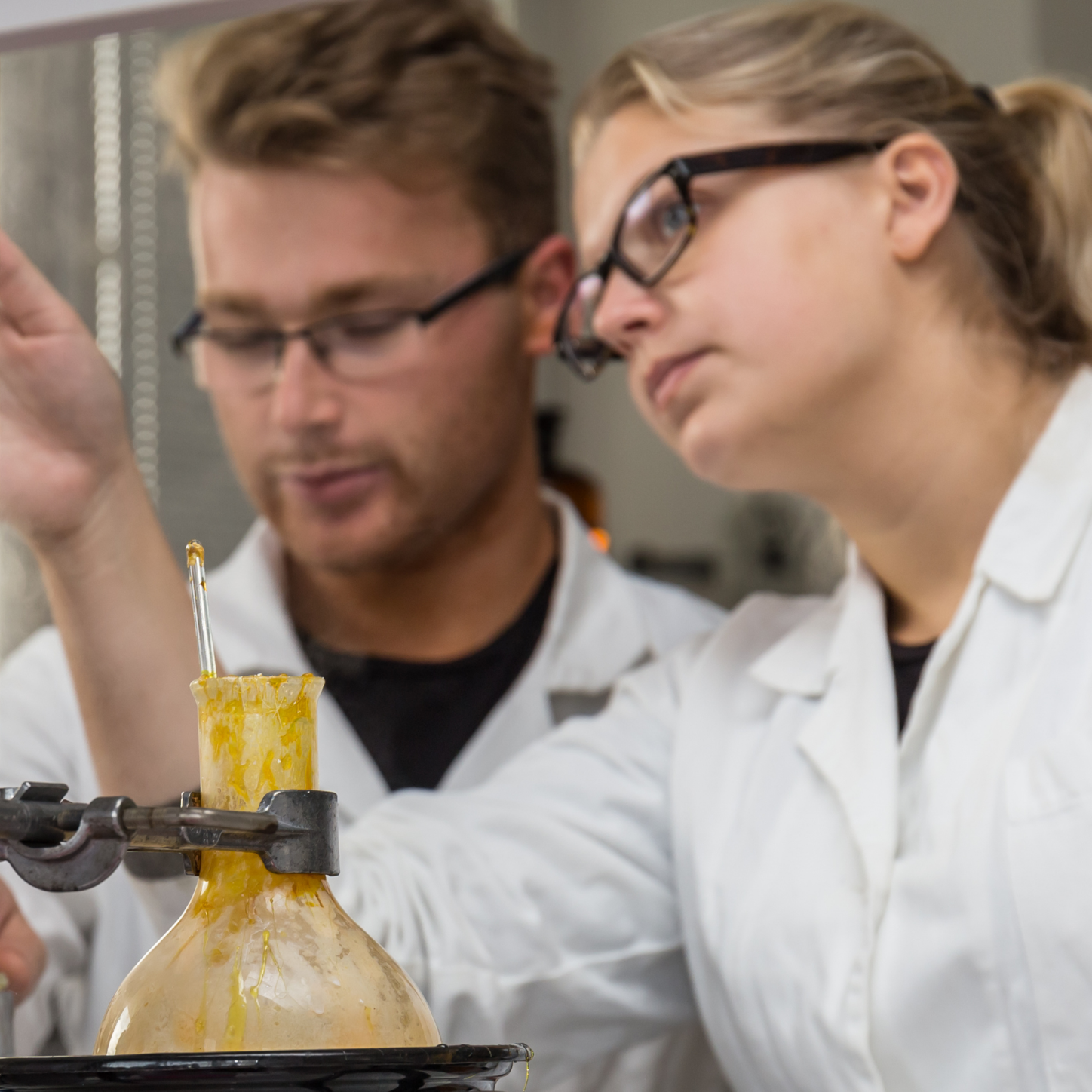
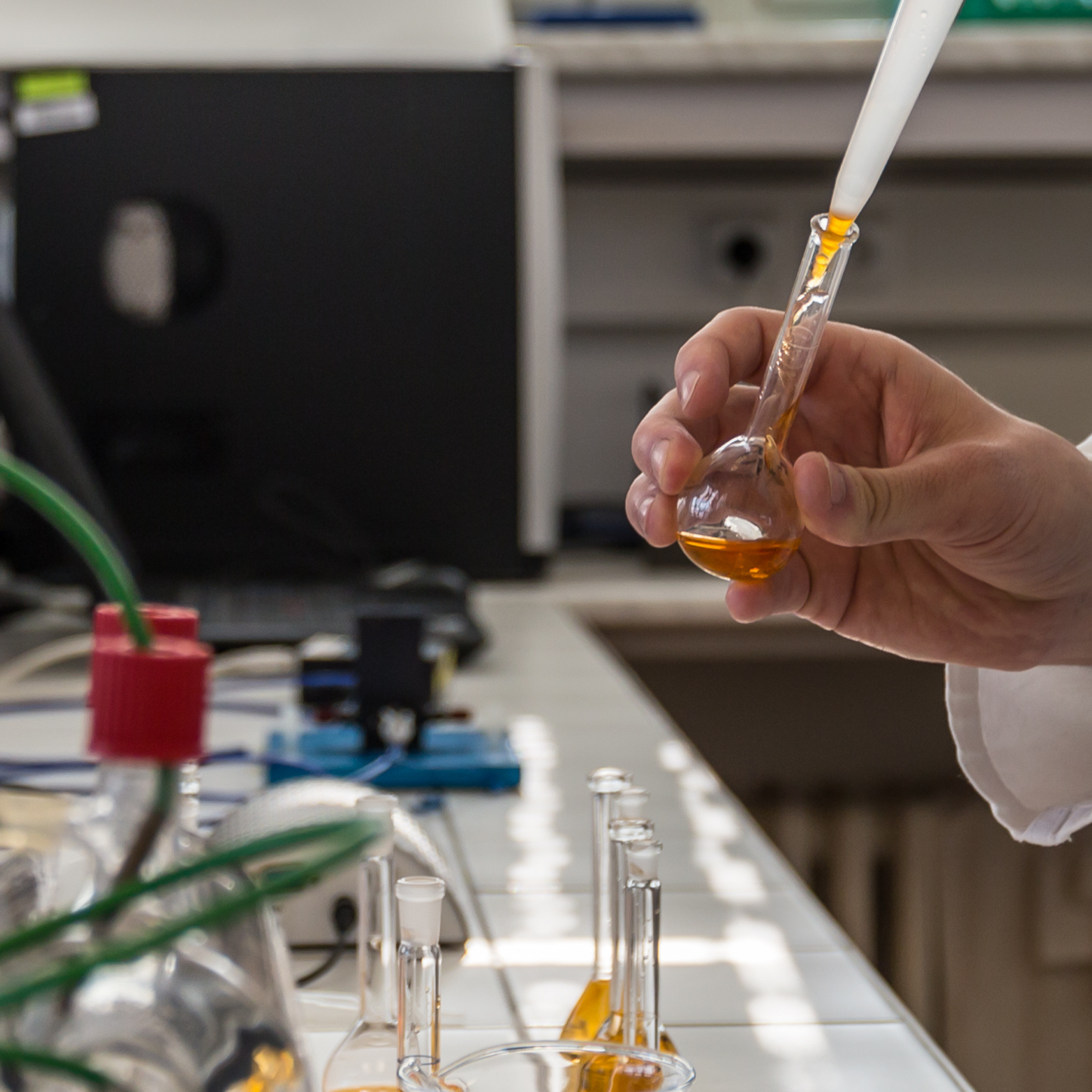
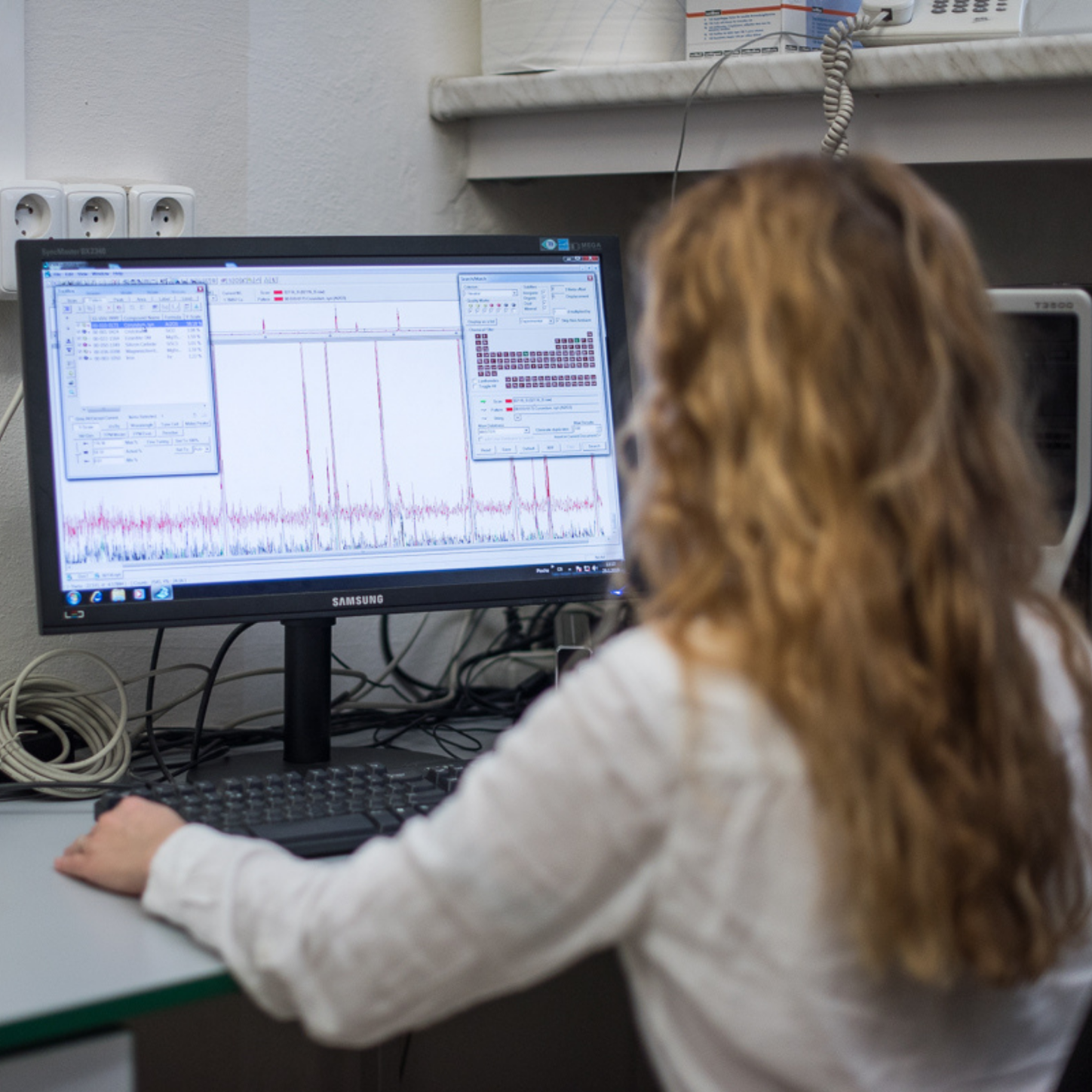
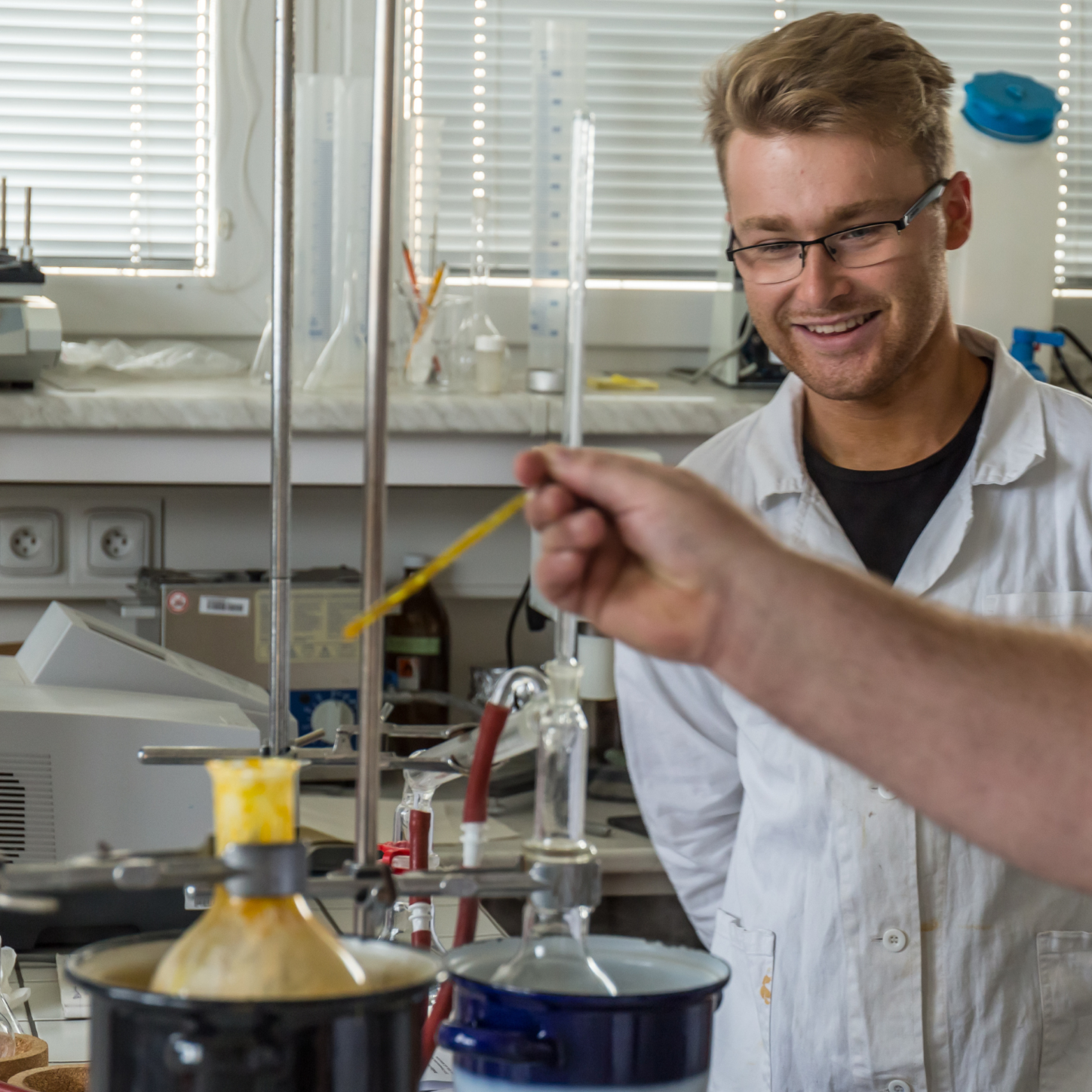
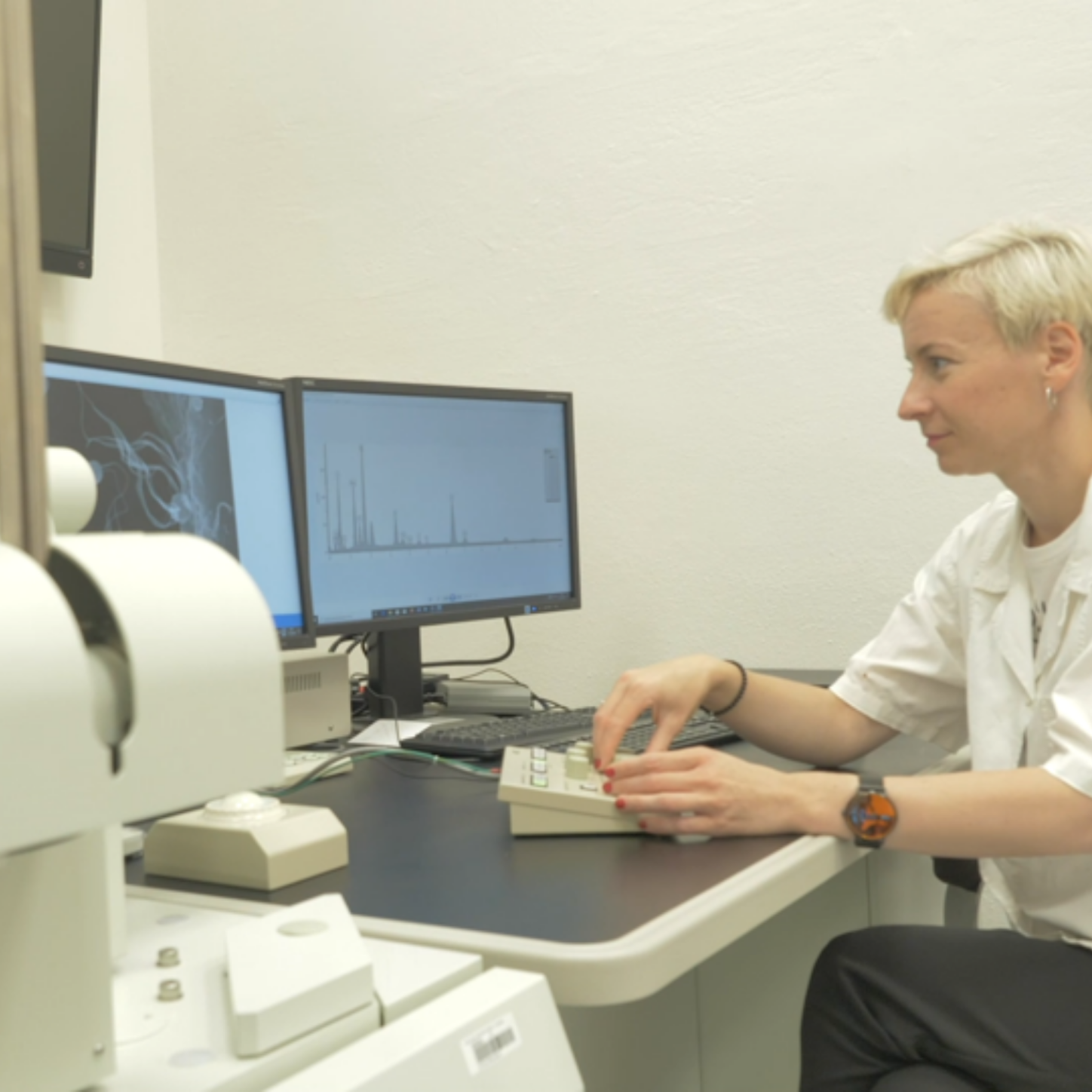
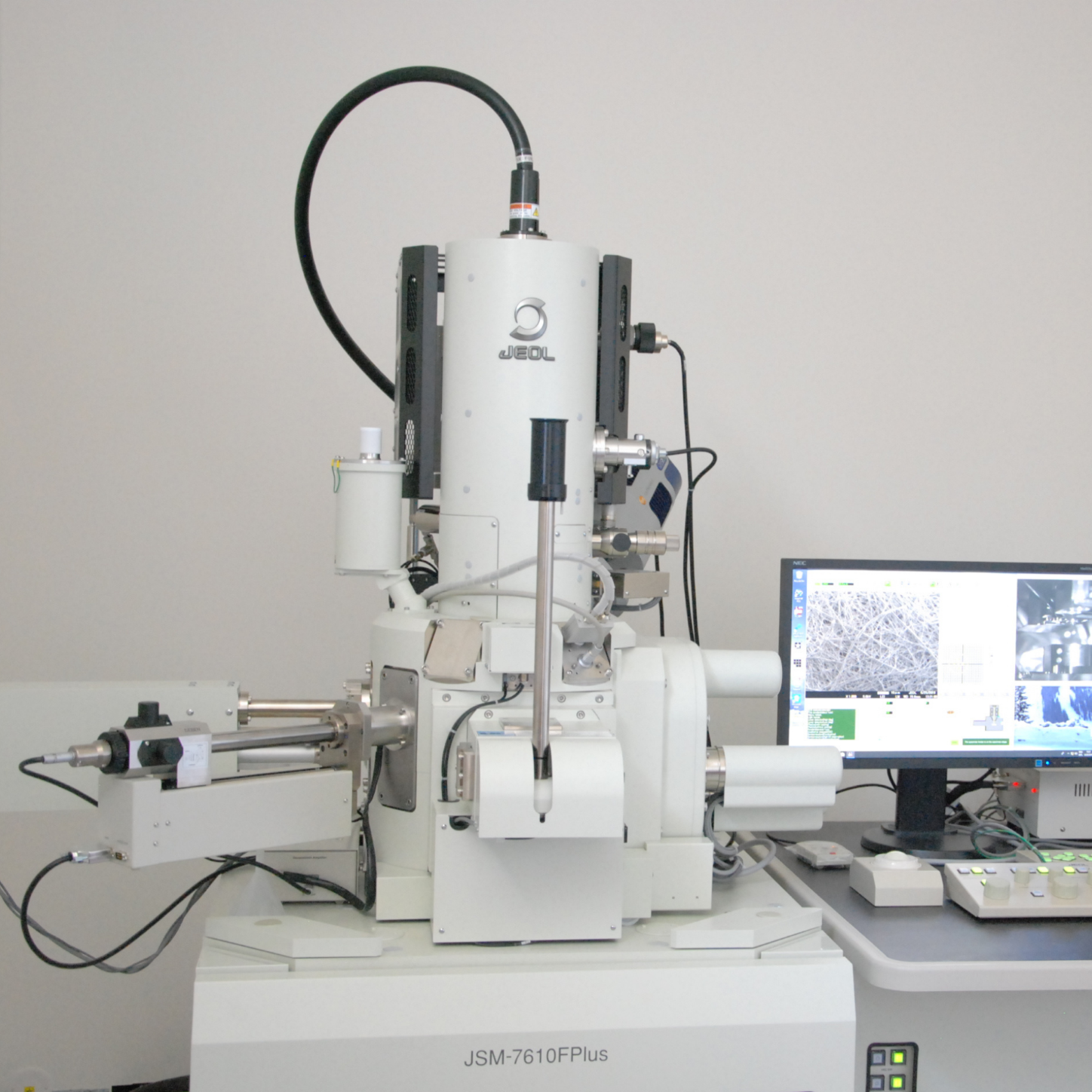
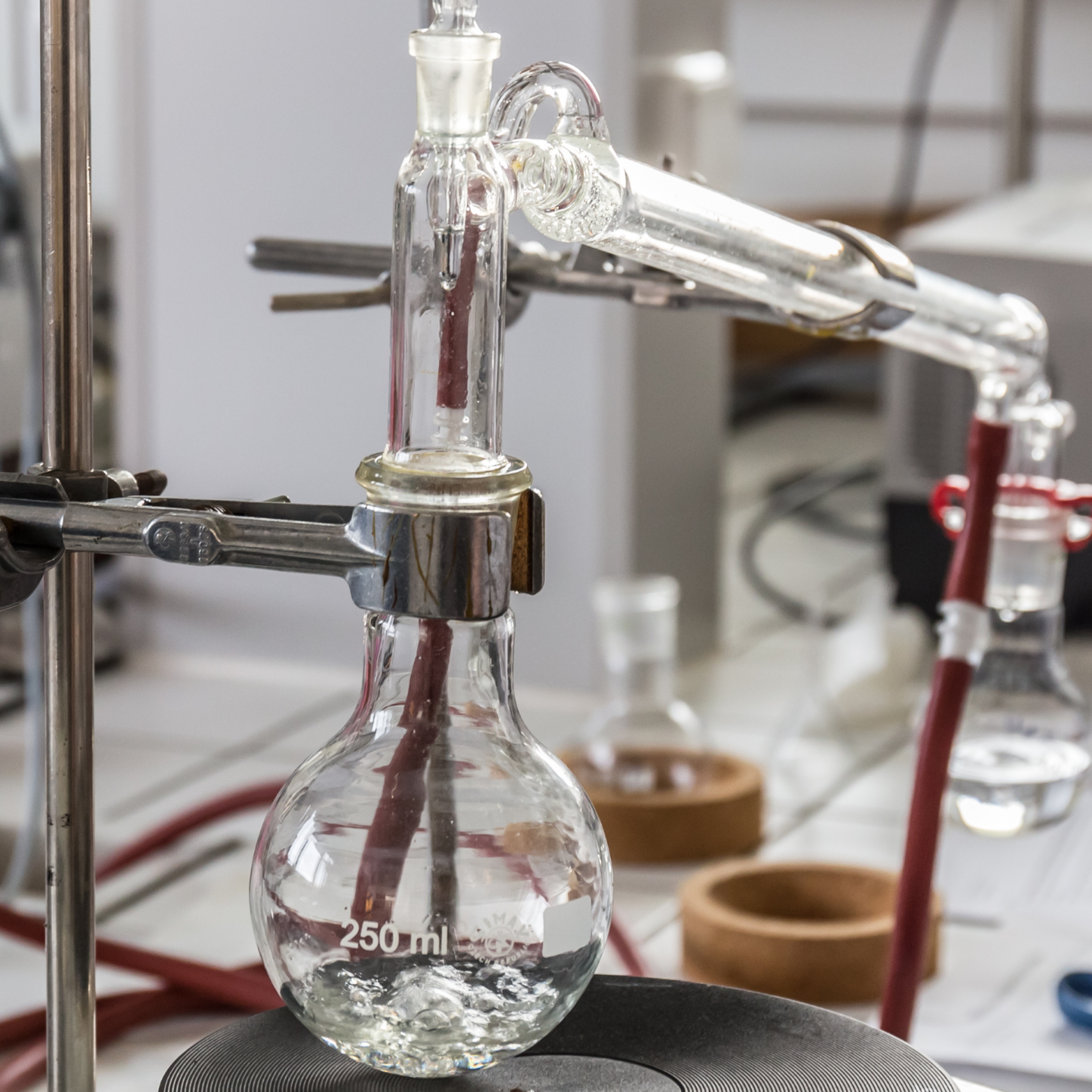
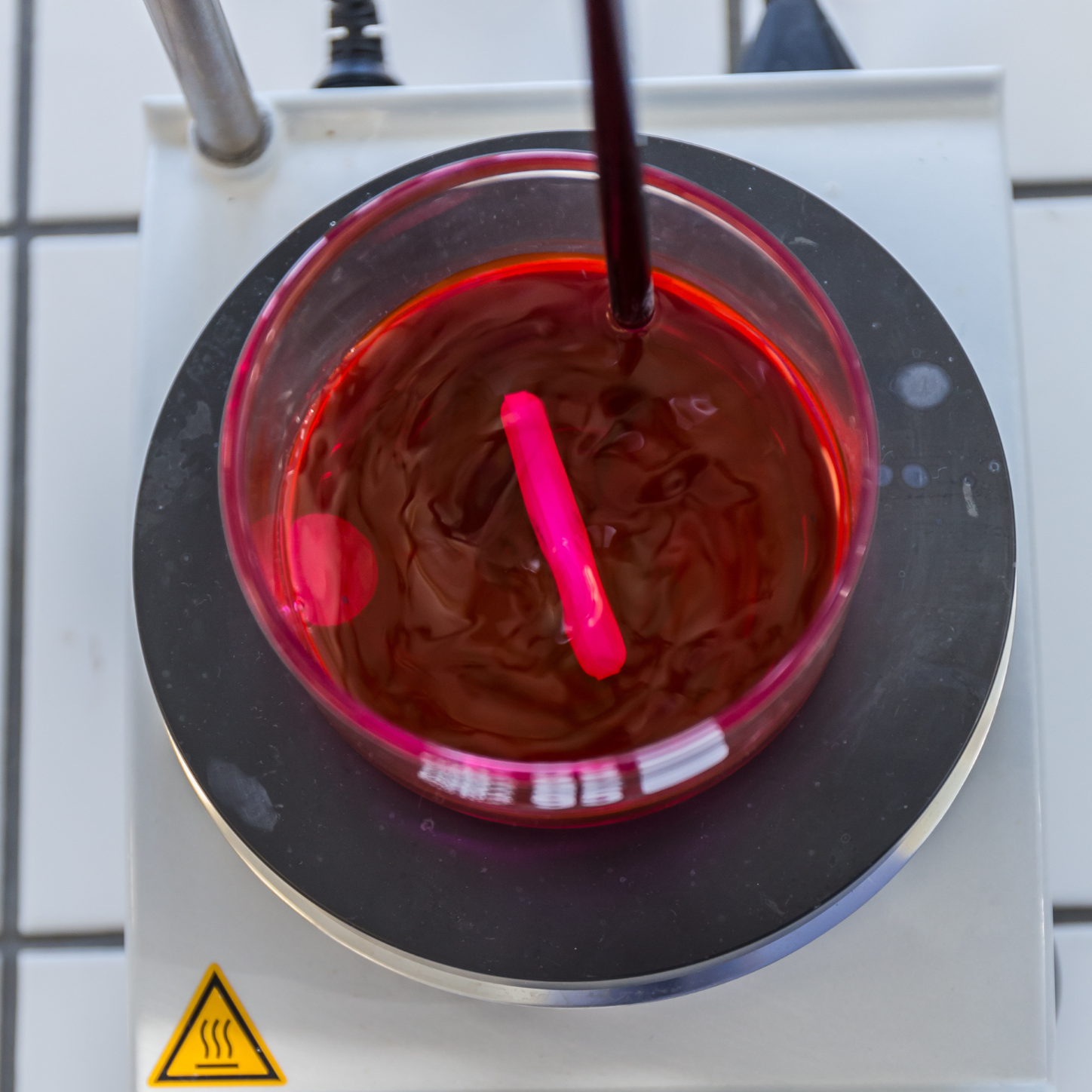
The follow-up master's study of Nanotechnology is intended for graduates of a bachelor's study of Nanotechnology or branches focused primarily on materials science, applied physics and chemistry. Theoretical subjects, dealing with the relationship between the structure and optical, magnetic and other properties of nanomaterials, are supplemented by work in laboratories used modern diagnostic devices. During their studies, students can spend an internship at foreign university, for example in the France, the Japan, China or the USA. After graduation, they can start work in one of the companies that produce of nanomaterials and nanocomposites. He can also continue in a doctoral study program of Nanotechnology or a similar branch and thus open himself the way to research organizations at home or abroad.
Graduate's employment
General employment of graduates:
Graduates can work as independent members of research teams focused on nanotechnology. After a short training, they can continue to work as leaders in the technological industries and various laboratories using nanomaterials, such as the chemical, electrical and automotive industries. Graduates may also continue their doctoral studies of Nanotechnology or a similar branch of study.
Typical job positions:
an operator of devices used in characterization of nanomaterials / materials,
an member of the research team,
an technician in the operation of a company focused on production of nanomaterials / materials,
an technologist in the company focused on production or use of nanomaterials / materials.
Study aims
The aim of the Master´s study of Nanotechnology is to provide another level of education in the field of science, which will prepare graduates for the work:
- qualified experts in the laboratories and production departments of companies related to modern materials and technologies,
- also able to work in a scientific team with physicists, chemists and mathematicians to develop new materials and study their properties,
- able to solve independently and creatively of practical problems of nanotechnology.
Graduate's knowledge
Graduates of the follow-up master's study of Nanotechnologies have deep theoretical knowledge in the basic natural sciences such as mathematics, physics and chemistry and know modern methods of nanomaterials production and their characterization.
Graduate's skills
Graduates are able to independently and responsibly make decisions in solving partial part of the problem. He can solve practical problems deals with the characterization and preparation of nanomaterials. They can clearly formulate the results of work and the opinions of other team members. They have deep knowledge technical literature. They can present their expertise and experience in at least one foreign language. They can present the results of work at workshops and professional conferences.
Graduate's general competence
Graduates are able to independently and responsibly make decisions in solving partial part of the problem. He can solve practical problems deals with the characterization and preparation of nanomaterials. They can clearly formulate the results of work and the opinions of other team members. They have deep knowledge technical literature. They can present their expertise and experience in at least one foreign language. They can present the results of work at workshops and professional conferences.
- Materials specialist
- Instrument operator
- Nanotechnology specialist
- Knowledge of technological processes
- Knowledge of materials
- Quality control
E-application
- Faculty

- Type of study
- Follow-up Master
- Language of instruction
- English
- Code of the programme
- N0719A270003
- Regular period of the study
- 2 years
- Cost
- 50,000 CZK per semester
- Coordinating department
- Centre for Advanced Innovation Technologies
- Coordinator
- doc. Ing. Jonáš Tokarský, Ph.D.
- Keywords
-
Nanomaterials
Nanotechnology